Buy xjob.eu ?
We are moving the project
xjob.eu .
Are you interested in purchasing the domain
xjob.eu ?
domain@kv-gmbh.de · 0541-91531010
Buy xjob.eu ?
What is the difference between ammonia and ammonia solution?
Ammonia is a compound with the chemical formula NH3, consisting of one nitrogen atom and three hydrogen atoms. It is a colorless gas with a pungent odor. On the other hand, ammonia solution, also known as ammonium hydroxide, is a solution of ammonia gas in water. It is commonly used as a cleaning agent and in various industrial processes. The main difference between the two is that ammonia is a gas, while ammonia solution is a liquid solution of ammonia in water. **
Does ammonia burn?
Yes, ammonia can burn. When ammonia is exposed to a flame or high heat, it can ignite and burn, producing nitrogen dioxide and water vapor. However, ammonia is not easily ignited and requires a high temperature to start burning. It is important to handle ammonia with caution and follow proper safety procedures to prevent accidents. **


Similar search terms for Ammonia
Top-Angebote
Products related to Ammonia:
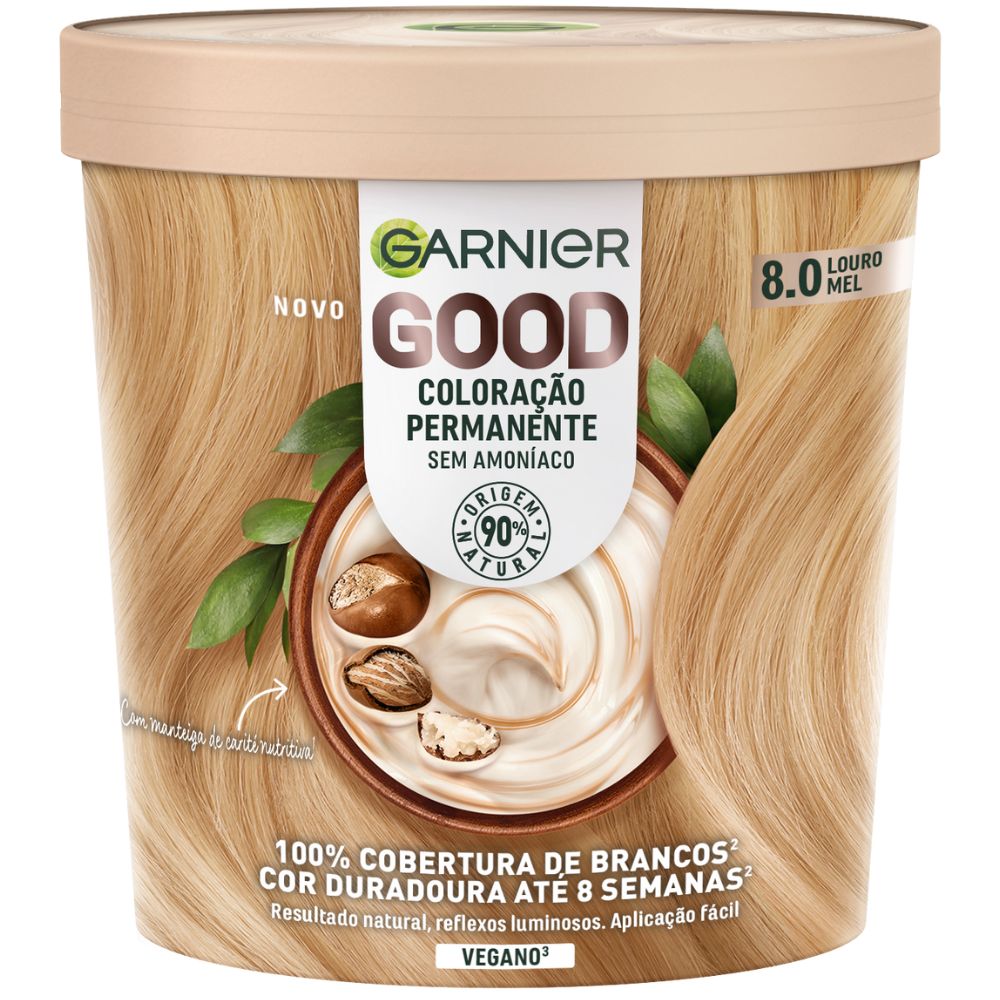

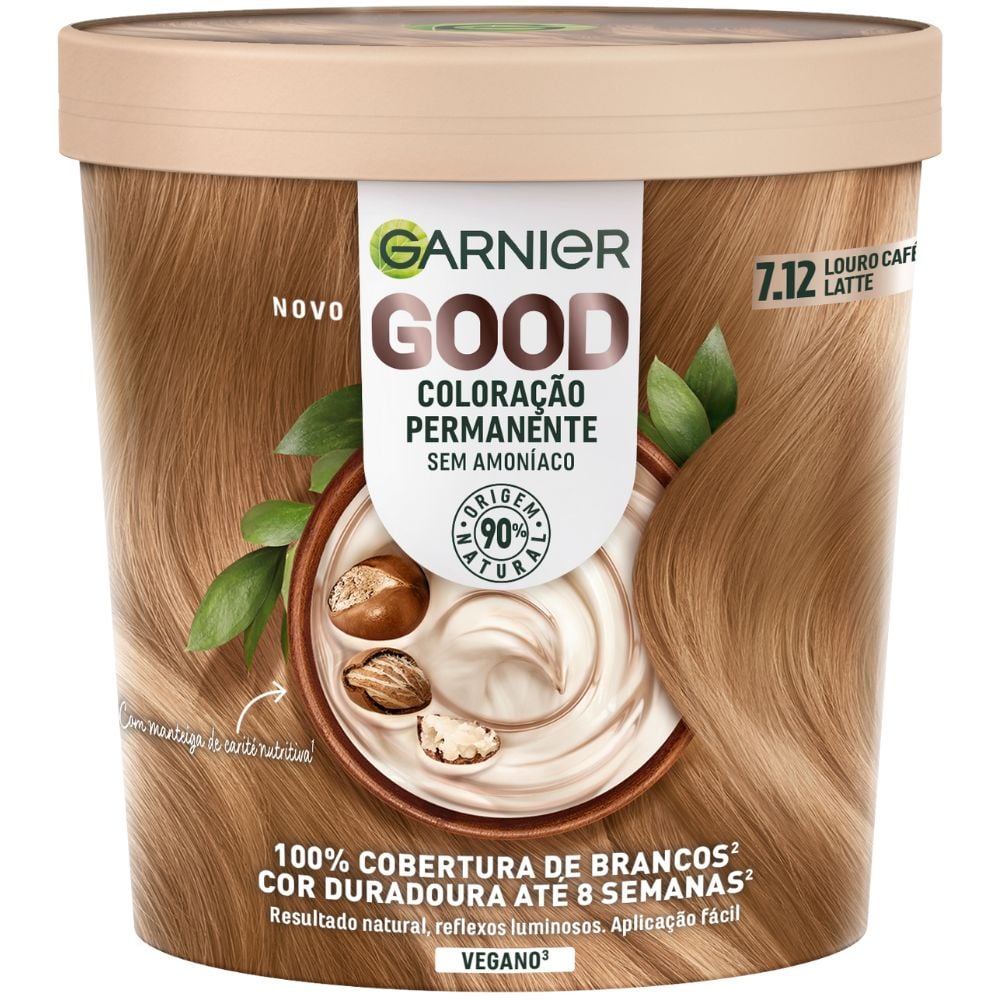

-
Does ammonia kill lice?
Yes, ammonia can kill lice. Ammonia is a strong alkaline compound that can be effective in killing lice and their eggs. However, it is important to use caution when using ammonia on the scalp as it can be irritating to the skin and eyes. It is recommended to consult with a healthcare professional before using ammonia or any other chemical treatment for lice. **
-
How is ammonia produced?
Ammonia is produced through the Haber-Bosch process, which involves combining nitrogen and hydrogen gases under high pressure and temperature in the presence of a catalyst, typically iron. The nitrogen is usually obtained from the air through a process called air separation, while the hydrogen is typically obtained from natural gas through a process called steam reforming. The reaction between nitrogen and hydrogen produces ammonia, which can then be further processed and purified for various industrial uses, such as fertilizer production. **
-
Is ammonia a salt?
No, ammonia is not a salt. Ammonia is a compound made up of nitrogen and hydrogen atoms, with the chemical formula NH3. It is a colorless gas with a characteristic pungent odor. On the other hand, salts are ionic compounds made up of positively and negatively charged ions, such as sodium chloride (table salt) or potassium nitrate. **
-
What is the difference between hair dyes with ammonia and without ammonia?
Hair dyes with ammonia typically provide longer-lasting and more vibrant color results, as ammonia helps to open the hair cuticle and allows the dye to penetrate deeply into the hair shaft. However, ammonia can also cause damage to the hair and scalp, leading to dryness and irritation. On the other hand, hair dyes without ammonia are gentler on the hair and scalp, making them a better option for individuals with sensitive skin or those looking to minimize damage to their hair. However, the color results may not be as long-lasting or intense as those achieved with ammonia-based dyes. **

Is ammonia polyprotic or monoprotic?
Ammonia is a monoprotic base, meaning it can donate only one proton (H+) in a chemical reaction. This is because ammonia has only one nitrogen atom that can accept a proton to form the ammonium ion (NH4+). Therefore, ammonia is considered monoprotic. **
What is an ammonia fountain?
An ammonia fountain is a demonstration that involves the mixing of two colorless solutions to produce a visible effect. One solution contains ammonia, while the other contains a metal salt. When the two solutions are mixed, a white precipitate forms, creating a fountain-like effect as it rises due to the release of gas bubbles. This reaction is often used in chemistry demonstrations to showcase chemical reactions and principles. **
Top-Angebote
Products related to Ammonia:
-
Ion Ammonia-Free Powder Lightener 1lb 1 lbIon Ammonia-Free Powder Lightener is infused with Gardenia Flower Extract, Coconut, Chia Seed and Sunflower Oils. The conditioning, dust-free formula is suitable for all application techniques both on and off the scalp.26,99 $*Shipping: 0,00 $Secure redirect to the provider
-
What is the difference between ammonia and ammonia solution?
Ammonia is a compound with the chemical formula NH3, consisting of one nitrogen atom and three hydrogen atoms. It is a colorless gas with a pungent odor. On the other hand, ammonia solution, also known as ammonium hydroxide, is a solution of ammonia gas in water. It is commonly used as a cleaning agent and in various industrial processes. The main difference between the two is that ammonia is a gas, while ammonia solution is a liquid solution of ammonia in water. **
-
Does ammonia burn?
Yes, ammonia can burn. When ammonia is exposed to a flame or high heat, it can ignite and burn, producing nitrogen dioxide and water vapor. However, ammonia is not easily ignited and requires a high temperature to start burning. It is important to handle ammonia with caution and follow proper safety procedures to prevent accidents. **
-
Does ammonia kill lice?
Yes, ammonia can kill lice. Ammonia is a strong alkaline compound that can be effective in killing lice and their eggs. However, it is important to use caution when using ammonia on the scalp as it can be irritating to the skin and eyes. It is recommended to consult with a healthcare professional before using ammonia or any other chemical treatment for lice. **
-
How is ammonia produced?
Ammonia is produced through the Haber-Bosch process, which involves combining nitrogen and hydrogen gases under high pressure and temperature in the presence of a catalyst, typically iron. The nitrogen is usually obtained from the air through a process called air separation, while the hydrogen is typically obtained from natural gas through a process called steam reforming. The reaction between nitrogen and hydrogen produces ammonia, which can then be further processed and purified for various industrial uses, such as fertilizer production. **
Similar search terms for Ammonia
-
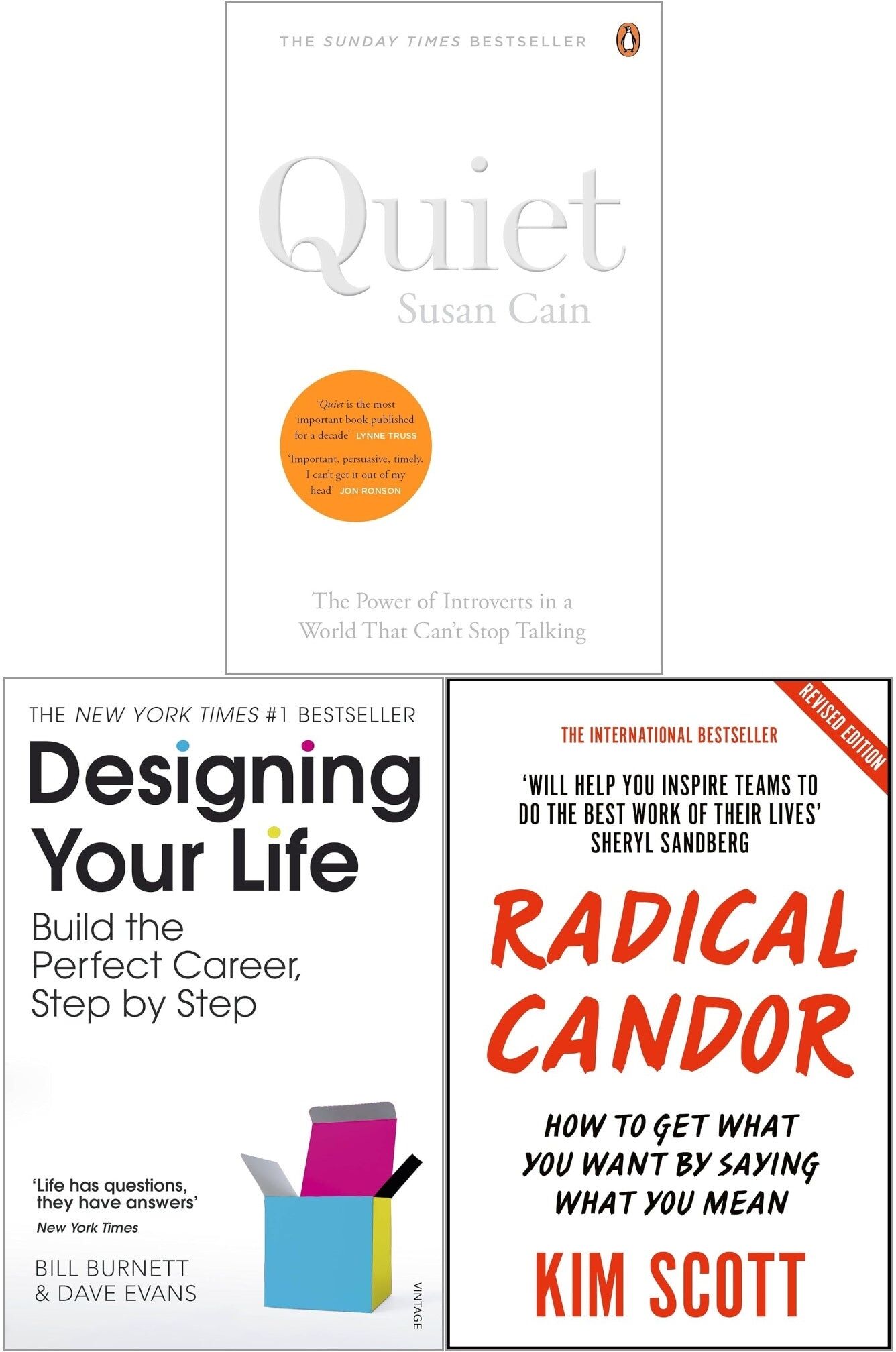
Penguin/Pan Macmillan Designing Your Life, Radical Candor and Quiet 3 Books Collection Set Personal Development, Leadership, Career Success & Self ImprovementDesigning Your Life, Radical Candor and Quiet 3 Books Collection Set Designing Your Life by Bill Burnett & Dave Evans Stanford innovators Bill Burnett and Dave Evans show us how design thinking can help us create a life that is both meaningful and fulfilling, regardless of who and where we are, our careers and our age. Designing Your Life puts forward the idea that the same design thinking responsible for amazing technology, products and spaces can be used to build towards a better life and career by a design of your own making. Radical Candor by Kim Scott Radical Candor by Kim Scott is a groundbreaking leadership and communication guide that teaches how to give feedback effectively, build trust, and create high-performing teams without becoming harsh—or avoiding difficult conversations. Based on Scott’s experience at Google, Apple and Silicon Valley startups, Radical Candor introduces a simple but powerful framework built on two pillars: Care Personally Challenge Directly The book provides practical tools for giving honest feedback, fostering open communication, strengthening working relationships, and becoming a more compassionate and impactful leader. Quiet by Susan Cain Quiet, the Sunday Times and New York Times Bestseller by Susan Cain, will permanently change how we see introverts - and how you see yourself. Our lives are driven by a fact most of us cant name and dont understand: whether were an introvert or an extrovert. This defines who our friends and lovers are, which careers we choose, and whether we blush when were embarrassed. At least a third of us are on the introverted side. Some of the worlds most talented people are introverts. Without them, we wouldnt have the Apple computer, the theory of relativity and Van Goghs sunflowers.16,99 £*Shipping: 2,99 £Secure redirect to the provider
-
Is ammonia a salt?
No, ammonia is not a salt. Ammonia is a compound made up of nitrogen and hydrogen atoms, with the chemical formula NH3. It is a colorless gas with a characteristic pungent odor. On the other hand, salts are ionic compounds made up of positively and negatively charged ions, such as sodium chloride (table salt) or potassium nitrate. **
-
What is the difference between hair dyes with ammonia and without ammonia?
Hair dyes with ammonia typically provide longer-lasting and more vibrant color results, as ammonia helps to open the hair cuticle and allows the dye to penetrate deeply into the hair shaft. However, ammonia can also cause damage to the hair and scalp, leading to dryness and irritation. On the other hand, hair dyes without ammonia are gentler on the hair and scalp, making them a better option for individuals with sensitive skin or those looking to minimize damage to their hair. However, the color results may not be as long-lasting or intense as those achieved with ammonia-based dyes. **
-
Is ammonia polyprotic or monoprotic?
Ammonia is a monoprotic base, meaning it can donate only one proton (H+) in a chemical reaction. This is because ammonia has only one nitrogen atom that can accept a proton to form the ammonium ion (NH4+). Therefore, ammonia is considered monoprotic. **
-
What is an ammonia fountain?
An ammonia fountain is a demonstration that involves the mixing of two colorless solutions to produce a visible effect. One solution contains ammonia, while the other contains a metal salt. When the two solutions are mixed, a white precipitate forms, creating a fountain-like effect as it rises due to the release of gas bubbles. This reaction is often used in chemistry demonstrations to showcase chemical reactions and principles. **
* All prices are inclusive of VAT and, if applicable, plus shipping costs. The offer information is based on the details provided by the respective shop and is updated through automated processes. Real-time updates do not occur, so deviations can occur in individual cases. ** Note: Parts of this content were created by AI.