Buy xjob.eu ?
We are moving the project
xjob.eu .
Are you interested in purchasing the domain
xjob.eu ?
domain@kv-gmbh.de · 0541-91531010
Buy xjob.eu ?
To which sector does the public sector belong?
The public sector belongs to the government sector. It includes government organizations and agencies at the local, state, and federal levels that provide public services and goods to the community. This sector is responsible for areas such as education, healthcare, public safety, transportation, and infrastructure development. The public sector is funded by taxpayer money and operates for the benefit of the public. **
What is the three-sector model: State, Market, Third Sector?
The three-sector model refers to the division of the economy into three main sectors: the state, the market, and the third sector. The state sector includes government-run organizations and services, such as public schools and law enforcement. The market sector consists of for-profit businesses and industries that operate in a competitive market environment. The third sector, also known as the nonprofit or voluntary sector, includes organizations that are driven by social or environmental goals rather than profit, such as charities and community organizations. This model recognizes the different roles and contributions of each sector in the economy and society. **


Similar search terms for Sector
Top-Angebote
Products related to Sector:
-
Felt Right Sector Yellow Sound Dampening Pinnable TilesWe took a page from one of our more future-forward designs for this one. Each section of its beehive-inspired hex tile display conveys a sense of adventure and energy. And with plenty of negative space and beautiful color combinations, it’s perfect...313,25 $*Shipping: 0,00 $Secure redirect to the provider
-
Felt Right Sector Blues Sound Dampening Pinnable TilesWe took a little inspiration from future-forward designs for this one. Each sectionof hex tiles appears mapped out to signal a classic board game look, or a funplay on chemistry symbols – depending on how you look at it. Either way, thenegative...313,25 $*Shipping: 0,00 $Secure redirect to the provider
-
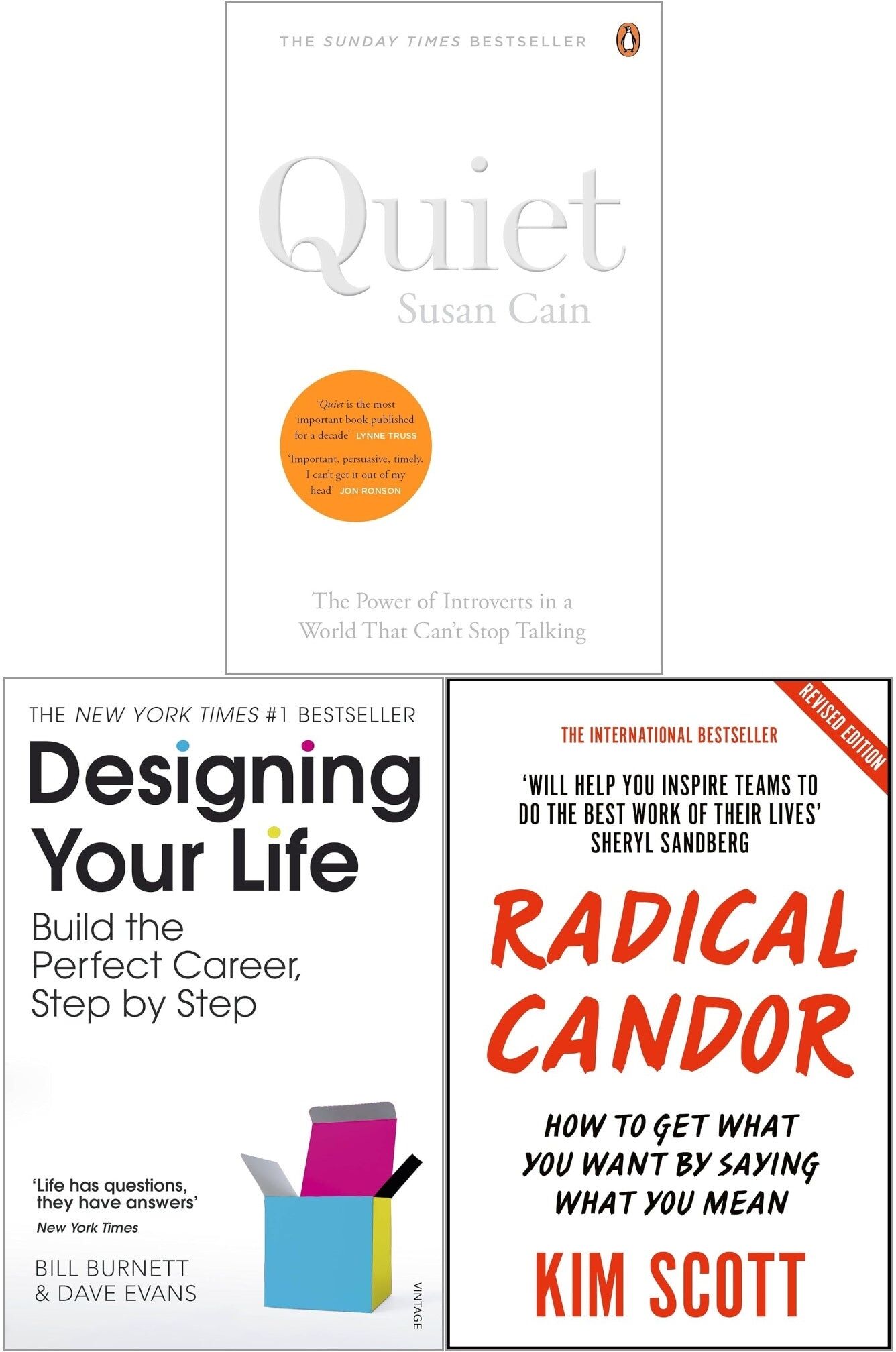
Penguin/Pan Macmillan Designing Your Life, Radical Candor and Quiet 3 Books Collection Set Personal Development, Leadership, Career Success & Self ImprovementDesigning Your Life, Radical Candor and Quiet 3 Books Collection Set Designing Your Life by Bill Burnett & Dave Evans Stanford innovators Bill Burnett and Dave Evans show us how design thinking can help us create a life that is both meaningful and fulfilling, regardless of who and where we are, our careers and our age. Designing Your Life puts forward the idea that the same design thinking responsible for amazing technology, products and spaces can be used to build towards a better life and career by a design of your own making. Radical Candor by Kim Scott Radical Candor by Kim Scott is a groundbreaking leadership and communication guide that teaches how to give feedback effectively, build trust, and create high-performing teams without becoming harsh—or avoiding difficult conversations. Based on Scott’s experience at Google, Apple and Silicon Valley startups, Radical Candor introduces a simple but powerful framework built on two pillars: Care Personally Challenge Directly The book provides practical tools for giving honest feedback, fostering open communication, strengthening working relationships, and becoming a more compassionate and impactful leader. Quiet by Susan Cain Quiet, the Sunday Times and New York Times Bestseller by Susan Cain, will permanently change how we see introverts - and how you see yourself. Our lives are driven by a fact most of us cant name and dont understand: whether were an introvert or an extrovert. This defines who our friends and lovers are, which careers we choose, and whether we blush when were embarrassed. At least a third of us are on the introverted side. Some of the worlds most talented people are introverts. Without them, we wouldnt have the Apple computer, the theory of relativity and Van Goghs sunflowers.16,99 £*Shipping: 2,99 £Secure redirect to the provider



-
Why is the tertiary sector rising and the primary sector declining?
The tertiary sector is rising due to the increasing demand for services such as healthcare, education, finance, and entertainment in modern economies. As societies become more affluent, there is a greater need for these services, leading to the growth of the tertiary sector. On the other hand, the primary sector is declining as technology and automation have increased productivity in agriculture, mining, and other natural resource industries, leading to a decrease in the need for labor and a decline in the relative importance of these industries in the overall economy. Additionally, environmental concerns and the push for sustainable practices have also contributed to the decline of the primary sector. **
-
Sector or omnidirectional antenna?
The choice between a sector or omnidirectional antenna depends on the specific requirements of the wireless network. A sector antenna provides a focused signal in a specific direction, making it ideal for covering a specific area with high capacity. On the other hand, an omnidirectional antenna broadcasts the signal in all directions, providing coverage in all directions but with less capacity. Ultimately, the decision should be based on factors such as the size and shape of the coverage area, the number of users, and the desired signal strength and capacity. **
-
What is the difference between the private sector and the public sector?
The private sector consists of businesses and organizations that are owned and operated by private individuals or groups for profit. These entities are not controlled by the government and operate in a competitive market. On the other hand, the public sector includes government-owned and operated organizations and services, such as public schools, police departments, and government agencies. These entities are funded and controlled by the government and provide services for the public good rather than for profit. Overall, the main difference between the two sectors lies in their ownership, control, and purpose. **
-
What is the difference between the public sector and the private sector?
The public sector refers to organizations and businesses that are owned and operated by the government, while the private sector refers to businesses and organizations that are owned and operated by private individuals or groups. In the public sector, the government is the primary decision-maker and funding comes from taxpayer dollars, while in the private sector, decision-making and funding come from private individuals or investors. Additionally, the goals of the public sector often include providing services to the public good, while the private sector is primarily focused on generating profits for its owners or shareholders. **


What is the diversity development field?
The diversity development field focuses on creating and promoting inclusive environments within organizations. It involves implementing strategies and programs to support diversity, equity, and inclusion, as well as addressing issues related to bias, discrimination, and inequality. This field also encompasses training, education, and advocacy efforts to foster a culture of respect and belonging for individuals from diverse backgrounds. Overall, the diversity development field aims to create positive and equitable experiences for all members of an organization. **
What career path in the public sector can a trained wholesale merchant pursue?
A trained wholesale merchant can pursue a career path in the public sector by becoming a procurement specialist or manager for government agencies. They can also explore opportunities in economic development agencies, where they can use their knowledge of wholesale markets to support local businesses and stimulate economic growth. Additionally, they could work in trade and commerce departments to help regulate and oversee wholesale trade activities to ensure fair practices and compliance with regulations. **
Top-Angebote
Products related to Sector:
-
Felt Right Sector Arbor Sound Dampening Pinnable TilesWe took a little inspiration from future-forward designs for this one. Each section of hex tiles appears mapped out to signal a classic board game look or a fun play on chemistry symbols. And with its color shades projecting a sense of tropical or...313,25 $*Shipping: 0,00 $Secure redirect to the provider
-
Felt Right Sector Lava Sound Dampening Pinnable TilesWe added a pop of orange to our exciting new Sector design, with each sectionof hex tiles appearing to resemble a classic board game look, or even differentgeographies with hints of volcanic activity. Either way, the negative space andbeautiful...313,25 $*Shipping: 0,00 $Secure redirect to the provider
-
Felt Right Sector Yellow Sound Dampening Pinnable TilesWe took a page from one of our more future-forward designs for this one. Each section of its beehive-inspired hex tile display conveys a sense of adventure and energy. And with plenty of negative space and beautiful color combinations, it’s perfect...313,25 $*Shipping: 0,00 $Secure redirect to the provider
-
Felt Right Sector Blues Sound Dampening Pinnable TilesWe took a little inspiration from future-forward designs for this one. Each sectionof hex tiles appears mapped out to signal a classic board game look, or a funplay on chemistry symbols – depending on how you look at it. Either way, thenegative...313,25 $*Shipping: 0,00 $Secure redirect to the provider
-
To which sector does the public sector belong?
The public sector belongs to the government sector. It includes government organizations and agencies at the local, state, and federal levels that provide public services and goods to the community. This sector is responsible for areas such as education, healthcare, public safety, transportation, and infrastructure development. The public sector is funded by taxpayer money and operates for the benefit of the public. **
-
What is the three-sector model: State, Market, Third Sector?
The three-sector model refers to the division of the economy into three main sectors: the state, the market, and the third sector. The state sector includes government-run organizations and services, such as public schools and law enforcement. The market sector consists of for-profit businesses and industries that operate in a competitive market environment. The third sector, also known as the nonprofit or voluntary sector, includes organizations that are driven by social or environmental goals rather than profit, such as charities and community organizations. This model recognizes the different roles and contributions of each sector in the economy and society. **
-
Why is the tertiary sector rising and the primary sector declining?
The tertiary sector is rising due to the increasing demand for services such as healthcare, education, finance, and entertainment in modern economies. As societies become more affluent, there is a greater need for these services, leading to the growth of the tertiary sector. On the other hand, the primary sector is declining as technology and automation have increased productivity in agriculture, mining, and other natural resource industries, leading to a decrease in the need for labor and a decline in the relative importance of these industries in the overall economy. Additionally, environmental concerns and the push for sustainable practices have also contributed to the decline of the primary sector. **
-
Sector or omnidirectional antenna?
The choice between a sector or omnidirectional antenna depends on the specific requirements of the wireless network. A sector antenna provides a focused signal in a specific direction, making it ideal for covering a specific area with high capacity. On the other hand, an omnidirectional antenna broadcasts the signal in all directions, providing coverage in all directions but with less capacity. Ultimately, the decision should be based on factors such as the size and shape of the coverage area, the number of users, and the desired signal strength and capacity. **
Similar search terms for Sector
-
Penguin/Pan Macmillan Designing Your Life, Radical Candor and Quiet 3 Books Collection Set Personal Development, Leadership, Career Success & Self ImprovementDesigning Your Life, Radical Candor and Quiet 3 Books Collection Set Designing Your Life by Bill Burnett & Dave Evans Stanford innovators Bill Burnett and Dave Evans show us how design thinking can help us create a life that is both meaningful and fulfilling, regardless of who and where we are, our careers and our age. Designing Your Life puts forward the idea that the same design thinking responsible for amazing technology, products and spaces can be used to build towards a better life and career by a design of your own making. Radical Candor by Kim Scott Radical Candor by Kim Scott is a groundbreaking leadership and communication guide that teaches how to give feedback effectively, build trust, and create high-performing teams without becoming harsh—or avoiding difficult conversations. Based on Scott’s experience at Google, Apple and Silicon Valley startups, Radical Candor introduces a simple but powerful framework built on two pillars: Care Personally Challenge Directly The book provides practical tools for giving honest feedback, fostering open communication, strengthening working relationships, and becoming a more compassionate and impactful leader. Quiet by Susan Cain Quiet, the Sunday Times and New York Times Bestseller by Susan Cain, will permanently change how we see introverts - and how you see yourself. Our lives are driven by a fact most of us cant name and dont understand: whether were an introvert or an extrovert. This defines who our friends and lovers are, which careers we choose, and whether we blush when were embarrassed. At least a third of us are on the introverted side. Some of the worlds most talented people are introverts. Without them, we wouldnt have the Apple computer, the theory of relativity and Van Goghs sunflowers.16,99 £*Shipping: 2,99 £Secure redirect to the provider
-
Helly Hansen Kids' Sector Lab Helly Tech® Jacket - Blue - 2If you invest in one essential kids' outdoor jacket, go for this. Built with our trusted Helly Tech® Performance technology, the jacket is waterproof, breathable and windproof for lasting comfort. We added sealed seams for extra protection. Small details with big impact include a detachable hood, a tail drop, a chin guard, reinforced fabric on the back, reflectives, and soft brushed lining in the pockets. The Sector Lab is designed for durability so it can be passed down when your child grows.95,00 £*Shipping: 5,00 £Secure redirect to the provider
-
Helly Hansen Kids' Sector Lab Helly Tech® Jacket - Blue - 3If you invest in one essential kids' outdoor jacket, go for this. Built with our trusted Helly Tech® Performance technology, the jacket is waterproof, breathable and windproof for lasting comfort. We added sealed seams for extra protection. Small details with big impact include a detachable hood, a tail drop, a chin guard, reinforced fabric on the back, reflectives, and soft brushed lining in the pockets. The Sector Lab is designed for durability so it can be passed down when your child grows.95,00 £*Shipping: 5,00 £Secure redirect to the provider
-
What is the difference between the private sector and the public sector?
The private sector consists of businesses and organizations that are owned and operated by private individuals or groups for profit. These entities are not controlled by the government and operate in a competitive market. On the other hand, the public sector includes government-owned and operated organizations and services, such as public schools, police departments, and government agencies. These entities are funded and controlled by the government and provide services for the public good rather than for profit. Overall, the main difference between the two sectors lies in their ownership, control, and purpose. **
-
What is the difference between the public sector and the private sector?
The public sector refers to organizations and businesses that are owned and operated by the government, while the private sector refers to businesses and organizations that are owned and operated by private individuals or groups. In the public sector, the government is the primary decision-maker and funding comes from taxpayer dollars, while in the private sector, decision-making and funding come from private individuals or investors. Additionally, the goals of the public sector often include providing services to the public good, while the private sector is primarily focused on generating profits for its owners or shareholders. **
-
What is the diversity development field?
The diversity development field focuses on creating and promoting inclusive environments within organizations. It involves implementing strategies and programs to support diversity, equity, and inclusion, as well as addressing issues related to bias, discrimination, and inequality. This field also encompasses training, education, and advocacy efforts to foster a culture of respect and belonging for individuals from diverse backgrounds. Overall, the diversity development field aims to create positive and equitable experiences for all members of an organization. **
-
What career path in the public sector can a trained wholesale merchant pursue?
A trained wholesale merchant can pursue a career path in the public sector by becoming a procurement specialist or manager for government agencies. They can also explore opportunities in economic development agencies, where they can use their knowledge of wholesale markets to support local businesses and stimulate economic growth. Additionally, they could work in trade and commerce departments to help regulate and oversee wholesale trade activities to ensure fair practices and compliance with regulations. **
* All prices are inclusive of VAT and, if applicable, plus shipping costs. The offer information is based on the details provided by the respective shop and is updated through automated processes. Real-time updates do not occur, so deviations can occur in individual cases. ** Note: Parts of this content were created by AI.